What Is Considered a Small Barndominium?
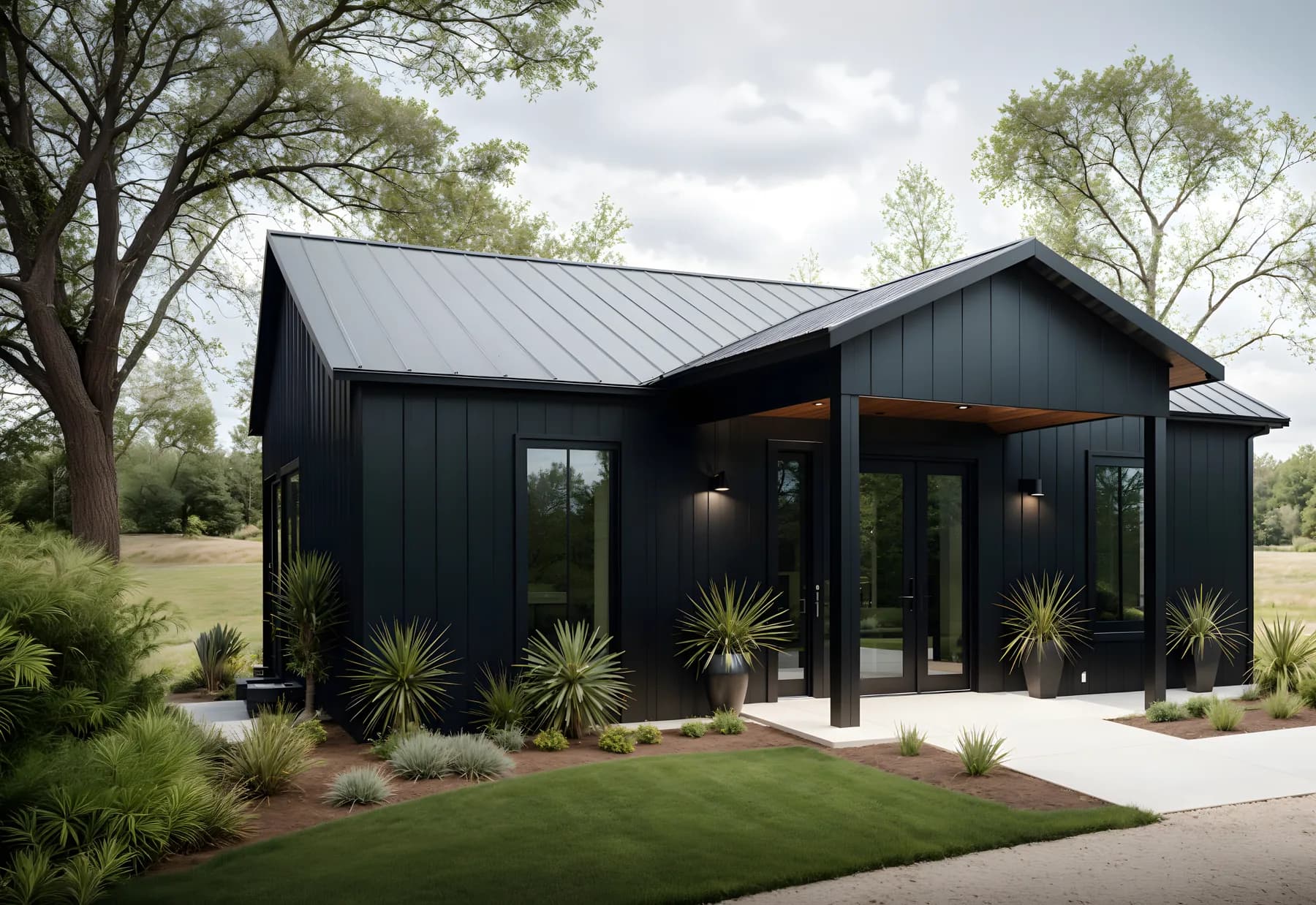
A small barndominium is typically any steel-framed home under 1,500 square feet, with the most common sizes being 30x40 (1,200 SF), 24x40 (960 SF), and 30x30 (900 SF). These compact builds are ideal for starter homes, downsizers, vacation properties, guesthouses, and rental units.
The “small” label is relative. In the barndominium world, where 40x60 (2,400 SF) and 60x80 (4,800 SF) builds are common, anything under 1,500 square feet qualifies as compact. But by national housing standards, a 1,200-1,500 square foot home is perfectly normal -- the average American apartment is around 900 square feet, and millions of families live comfortably in homes this size. For a broader look at barndominiums of every scale, see our complete guide to barndominiums.
Small barndominiums have surged in popularity for several reasons. Construction costs are lower, permitting is often simpler, build timelines are shorter, and the smaller footprint means lower utility bills, less maintenance, and reduced property taxes. They are also the ideal size for accessory dwelling units, vacation rentals, and retirement homes where less square footage translates directly to more financial freedom.
Here is how the most popular small barndominium sizes compare:
| Size | Square Feet | Typical Layout | Best For |
|---|---|---|---|
| 20x30 | 600 SF | Studio / 1-bed, 1-bath | ADU, guest house, single occupant |
| 24x30 | 720 SF | 1-bed, 1-bath + open living | Vacation rental, starter home |
| 24x40 | 960 SF | 2-bed, 1-bath | Couple, weekend retreat |
| 30x30 | 900 SF | 1-2 bed, 1-bath | Downsizer, rental unit |
| 30x40 | 1,200 SF | 2-bed, 1-2 bath | Small family, retirement |
| 30x50 | 1,500 SF | 2-3 bed, 2-bath | Family starter, full-time home |
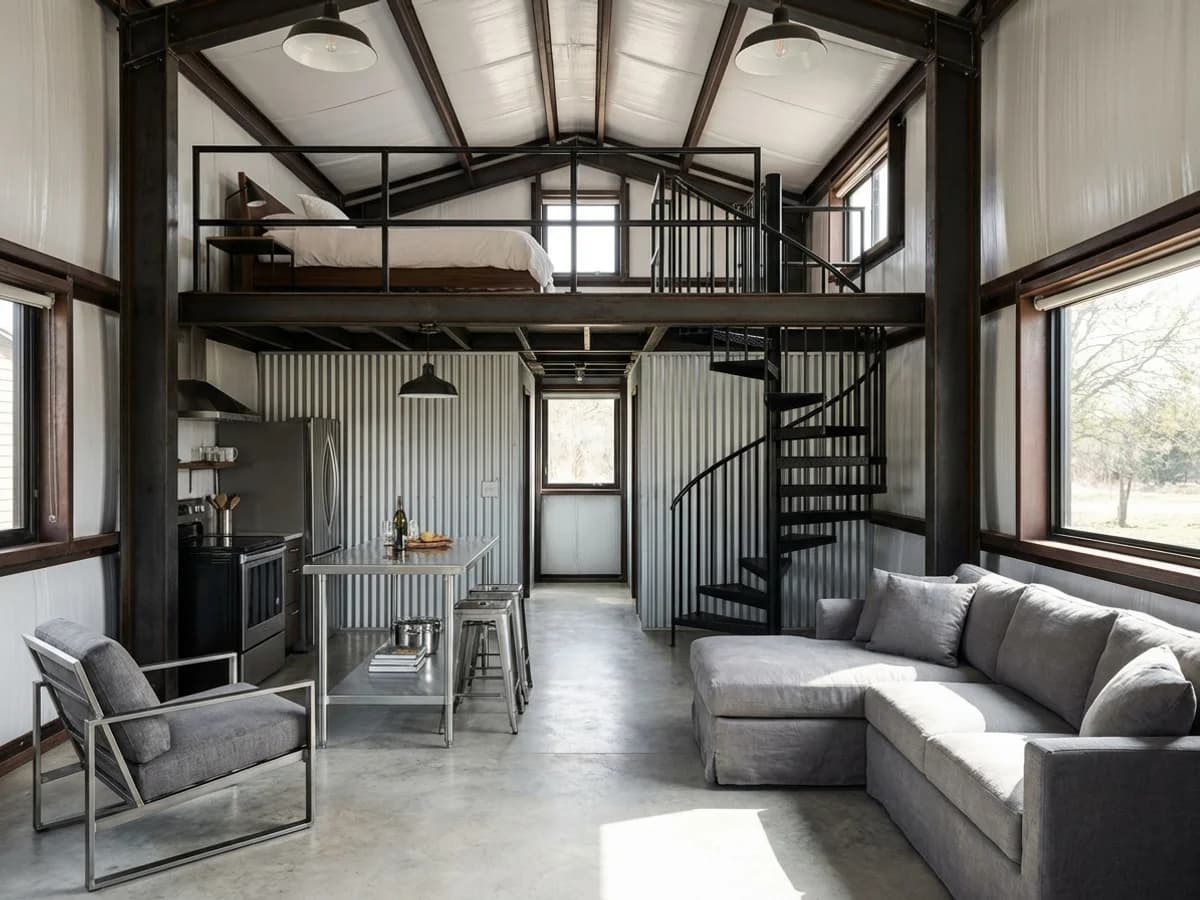
A small barndominium does not mean a compromised home. Steel clear-span construction eliminates load-bearing interior walls, which makes compact floor plans feel dramatically larger than their square footage suggests. A well-designed 900 square foot barndominium with vaulted ceilings and an open-concept layout lives bigger than a 1,200 square foot stick-built home chopped up by structural walls and hallways.
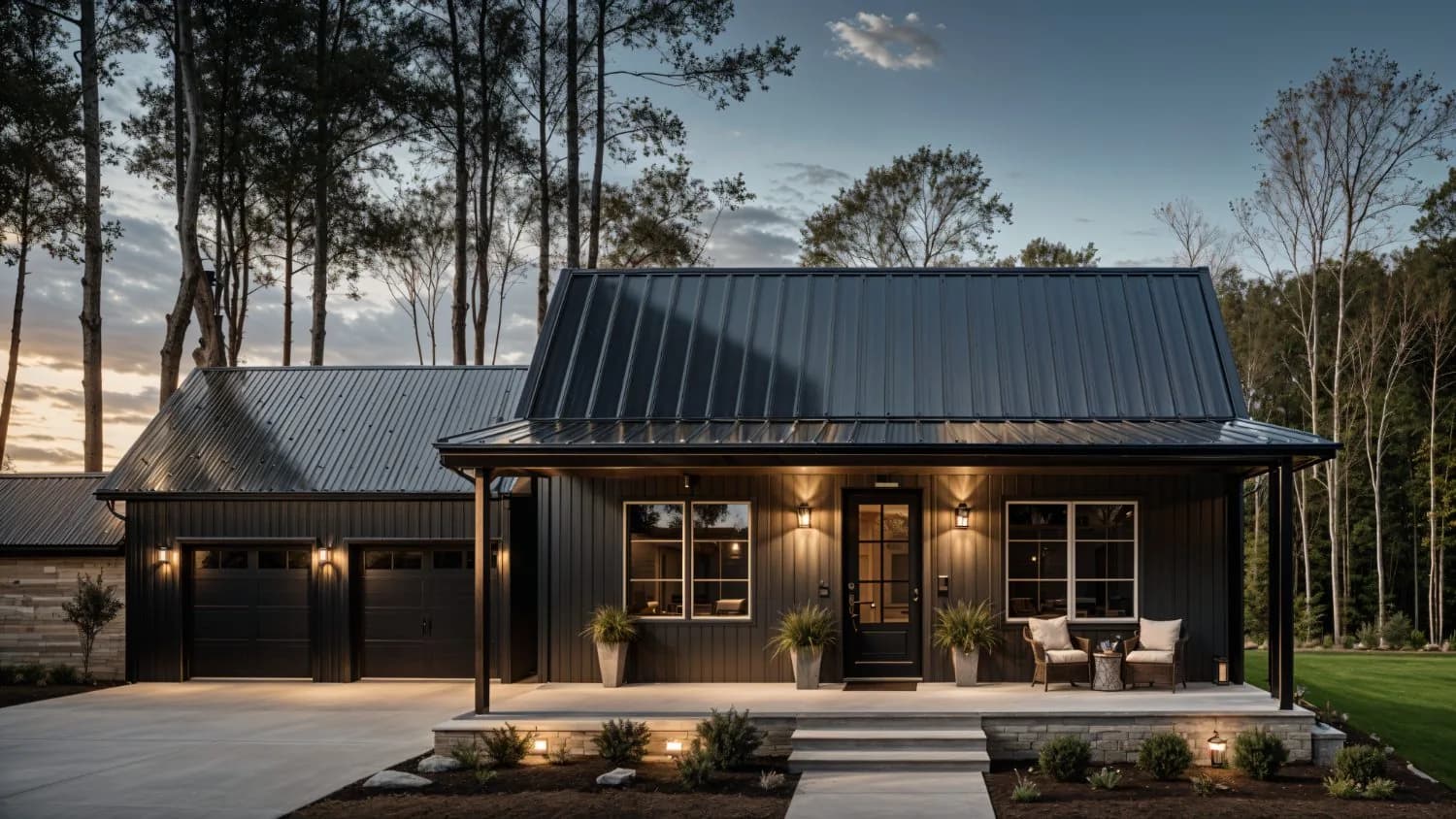
Barns & Barndos Insight: The most requested small barndominium size we see is the 30x40 (1,200 SF). It hits the sweet spot between affordability and livability -- enough room for two bedrooms, a full kitchen, and a generous open living area, without the higher costs that come with larger footprints. If you are on the fence about size, 30x40 is a proven starting point.
How Much Does a Small Barndominium Cost?
A small barndominium costs between $12,000 and $450,000 depending on the size and finish level. Shell kits for compact builds start at $12,000 for a 600 SF structure, while fully finished turnkey homes range from $45,000 for a basic DIY build to $450,000 for a premium 1,500 SF B&B Luxury home.
The cost advantage of going small is significant. You save on every line item -- less steel, less concrete for the foundation, less insulation, fewer interior materials, and less labor time. For a detailed breakdown of barndominium pricing at every size, see our complete barndominium guide.
Here is what each popular small barndominium size costs at different finish levels:
| Size (SF) | Shell Kit ($25+/SF) | Basic National ($200/SF) | Mid-Range National ($234/SF) |
|---|---|---|---|
| 600 SF | $12,000 - $15,000 | $120,000 | $140,400 |
| 900 SF | $18,000 - $22,500 | $180,000 | $210,600 |
| 960 SF | $19,200 - $24,000 | $192,000 | $224,640 |
| 1,200 SF | $24,000 - $30,000 | $240,000 | $280,800 |
| 1,500 SF | $30,000 - $37,500 | $300,000 | $351,000 |
For buyers who want a premium, turnkey small barndominium, Barns & Barndos offers three finish tiers with transparent pricing:
| B&B Finish Tier | Price/SF | 900 SF Total | 1,200 SF Total | 1,500 SF Total |
|---|---|---|---|---|
| Standard | $250 | $225,000 | $300,000 | $375,000 |
| High End | $275 | $247,500 | $330,000 | $412,500 |
| Luxury | $300 | $270,000 | $360,000 | $450,000 |
Keep in mind that total project cost also includes site preparation, foundation, utility connections, and permits, which can add $15,000-$50,000 depending on your property. These costs are proportionally smaller for compact builds since the foundation is smaller and utility runs are shorter. For financing options, see our guide on barndominium financing.
Key Takeaways: Small Barndominium Costs
- Shell kits start as low as $12,000 for a 600 SF structure, making small barndominiums one of the most affordable steel building projects
- Fully finished small barndominiums range from $45,000 (basic 900 SF) to $240,000+ (mid-range 1,500 SF)
- Cost per square foot is slightly higher for smaller builds because fixed costs (permits, engineering, utility hookups) are spread across fewer square feet
- Total out-of-pocket is still much lower -- a 900 SF barndominium costs 40-60% less total than a 1,500 SF build at the same finish level
What Are the Best Small Barndominium Floor Plans?
The best small barndominium floor plans maximize open-concept living with efficient room placement. The three most popular layouts are the one-bedroom open plan (600-900 SF), the two-bedroom single-bath (900-1,200 SF), and the two-bedroom two-bath (1,200-1,500 SF), all built on simple rectangular footprints.
Steel clear-span construction gives you total freedom with interior layout because there are no load-bearing walls to work around. That means every square foot of floor space is usable, and you can arrange rooms to maximize flow and eliminate wasted hallway space. For a broader collection of layouts at every scale, see our barndominium floor plans guide.
Layout 1: One-Bedroom Open Plan (600-900 SF)
This layout is ideal for single occupants, couples, ADUs, and vacation rentals. The floor plan places the bedroom and bathroom along one end of the rectangle, with the remaining space devoted to a combined kitchen, dining, and living area. At 720 SF (24x30), a typical arrangement includes:
- One bedroom (12x12 to 12x14) with a closet
- One full bathroom (5x8 to 6x9)
- Open kitchen with island or peninsula seating
- Living and dining area (approximately 350-450 SF of combined open space)
- Laundry closet near the bathroom for shared plumbing runs
The key to making a one-bedroom plan feel spacious is vaulted or exposed-rafter ceilings. Without a second floor, you can leave the steel rafters exposed at 12-14 feet peak height, which creates a dramatic volume that makes even 600 square feet feel airy.
Layout 2: Two-Bedroom Single-Bath (900-1,200 SF)
The most popular small barndominium plan. Two bedrooms share a single bathroom, with the remainder given to open-concept living. At 960 SF (24x40), a well-designed version includes:
- Primary bedroom (12x13) with a closet
- Second bedroom (10x12) suitable as a guest room, office, or kid's room
- One full bathroom (8x8) positioned between bedrooms for shared access
- Open kitchen, dining, and living area (approximately 450-550 SF)
- Stacked washer/dryer closet
- Small coat or pantry closet near the entry
Placing both bedrooms on the same end of the building with the bathroom between them keeps all plumbing concentrated in one area, which reduces plumbing costs by $2,000-$4,000 compared to splitting wet areas across the floor plan.
Layout 3: Two-Bedroom Two-Bath (1,200-1,500 SF)
This is the most versatile small barndominium plan and the largest layout that still qualifies as compact. At 1,200 SF (30x40), the two-bath layout provides genuine primary suite privacy:
- Primary bedroom (13x14) with an ensuite bathroom and walk-in closet
- Second bedroom (11x12) with nearby hall bathroom access
- Primary ensuite (6x9) with a walk-in shower
- Hall bathroom (5x8) with a tub/shower combo
- Open kitchen with island, dining area, and living room (550-700 SF)
- Laundry room or closet
- Optional: covered front porch within the roofline
At 1,500 SF (30x50), this same layout expands to include a larger kitchen, a dedicated laundry room, a bigger primary closet, and more generous living space. The 30x50 is the upper boundary of small barndominium territory and offers enough room for full-time family living. For details on this size, see our 30x50 barndominium guide.
Barns & Barndos Insight: In small barndominiums, every square foot counts. We recommend keeping hallways to an absolute minimum -- ideally none at all. By placing bedrooms at one end and using the open-concept living area as the central hub, you eliminate dead circulation space and make the home feel significantly larger than its footprint.
How Do You Maximize Space in a Small Barndominium?
The best ways to maximize space in a small barndominium are open-concept floor plans that eliminate unnecessary walls, vaulted ceilings that create vertical volume, loft areas for sleeping or storage, built-in cabinetry and furniture, and multi-functional rooms that serve double duty.
Compact does not have to mean cramped. Smart design choices can make a 900 square foot barndominium feel like 1,300 square feet of usable space. Here are the most effective strategies:
Open-Concept Layout
This is the single biggest space-maximizing move and it is free. By combining the kitchen, dining, and living areas into one continuous space instead of separating them with walls, you create a room that flows visually and functionally. In a small barndominium, the open-concept area should represent at least 40-50% of the total floor space.
Vaulted and Exposed Ceilings
Standard 8-foot flat ceilings make any small space feel smaller. Barndominium steel framing allows you to vault the ceiling to the full roofline height, which is typically 12-16 feet at the peak depending on roof pitch. Exposed steel rafters and trusses add industrial character while making the space feel twice its actual volume. This design choice costs virtually nothing extra during construction.
Loft Space
If you vault the ceilings, you create an opportunity for a loft over a portion of the floor plan. A loft above the bedroom wing can add 200-400 square feet of usable space for a sleeping loft, home office, reading nook, or storage. In a 900 SF barndominium, a 250 SF loft effectively gives you 1,150 SF of usable area at a fraction of the cost of building a larger footprint.
Built-In Storage and Furniture
Built-in bookshelves, window seats with storage underneath, banquette dining seating, and Murphy beds eliminate the need for freestanding furniture that eats floor space. Floor-to-ceiling cabinetry in the kitchen and a full-height pantry closet store more than standard upper cabinets while drawing the eye upward. Plan these built-ins during the design phase, not as afterthoughts.
Multi-Functional Rooms
In a small barndominium, the second bedroom should be designed to serve at least two purposes. A guest bedroom that doubles as a home office with a Murphy bed or sleeper sofa, a laundry area tucked behind closet doors in the hallway, or a kitchen island that functions as a dining table, prep station, and homework desk. Every room should earn its square footage with at least two uses.
Outdoor Living Extension
A covered porch integrated into the roofline adds living space without adding to the conditioned square footage. A 6-foot-deep covered porch across the front of a 30-foot- wide barndominium adds 180 square feet of outdoor living for entertaining, dining, or relaxing. Because it shares the existing roof structure, the cost is minimal compared to the perceived space increase.
Space Maximizing Checklist
- Open concept: Combine kitchen, dining, and living into one flowing space
- Vault the ceiling: Use the full roofline height (12-16 feet) instead of flat 8-foot ceilings
- Add a loft: Gain 200-400 SF of usable space over the bedroom wing
- Build in storage: Floor-to-ceiling cabinetry and integrated furniture save floor area
- Dual-purpose rooms: Every room should serve at least two functions
- Covered porch: Extend living space outdoors within the existing roofline
Can You Build a Small Barndominium as a Guest House or ADU?
Yes, small barndominiums are one of the best structures for accessory dwelling units (ADUs) and guest houses. Steel-framed ADUs in the 400-1,200 square foot range offer faster construction timelines, superior durability, and lower per-square-foot costs than traditional stick-built ADUs or prefabricated units.
An accessory dwelling unit is a secondary living space built on the same property as an existing primary residence. ADUs have become one of the fastest-growing segments in residential construction thanks to relaxed zoning laws in dozens of states and municipalities. For a deep dive into ADU regulations, design options, and pricing, see our dedicated accessory dwelling unit page.
Why Steel Barndominiums Make Great ADUs
- Speed: A small steel ADU can be erected and dried in within 1-2 weeks versus 4-8 weeks for traditional framing, minimizing disruption to the primary residence
- Durability: Steel framing is resistant to termites, rot, and moisture damage -- critical for a structure that may sit vacant between guest visits or tenant turnovers
- Low maintenance: PVDF-coated exterior panels require virtually no upkeep, which is essential when the ADU is a rental property or secondary structure that does not get daily attention
- Design flexibility: Clear-span construction allows the interior to be configured as a studio, one-bedroom, or two-bedroom unit without structural constraints
ADU Regulations to Know
ADU zoning rules vary significantly by location, but the trend is strongly toward permitting. California, Oregon, Washington, and many other states have passed laws requiring municipalities to allow ADUs. Common regulations include:
- Maximum size limits (typically 600-1,200 SF depending on jurisdiction)
- Setback requirements from property lines (often 4-10 feet for ADUs)
- Owner-occupancy requirements (you must live in either the primary home or the ADU)
- Parking requirements (some areas require one additional parking space)
- Utility connection requirements (some areas allow shared utilities, others require separate meters)
Before designing your small barndominium ADU, check with your local planning department to confirm allowable size, setbacks, and any design restrictions. In many areas, the permit process for ADUs is streamlined and faster than for primary residences.
Guest House Use Cases
Even in areas where ADU regulations are strict, a small barndominium can serve as a guest house, home office, art studio, or workshop that adds functional living space to your property without requiring the full ADU permitting process. The distinction is typically whether the structure has a kitchen -- buildings without a full kitchen are often classified as accessory structures rather than dwelling units, which may have simpler permit requirements.
Barns & Barndos Insight: Steel ADUs are one of the fastest- growing segments of our business. Homeowners are building small barndominiums as rental units, in-law suites, and home offices on existing properties. Our engineers are licensed in all 48 states, so we can ensure your ADU meets local building codes and zoning requirements wherever you are located. Visit our ADU page to explore options.
What Foundation Options Work for Small Barndominiums?
The three main foundation options for small barndominiums are monolithic concrete slab ($5-$8 per square foot), concrete pier foundations ($3,000-$8,000 total for small builds), and skid-mounted frames ($2,000-$5,000) for temporary or relocatable structures. Concrete slab is the most common and recommended for permanent residences.
Foundation choice depends on your intended use, local building codes, soil conditions, and whether the structure needs to be permanent or relocatable. Here is what each option offers:
Monolithic Concrete Slab
The standard choice for permanent barndominiums of any size. A monolithic slab is poured as a single unit with the footings integrated into the slab edge, creating a solid, level surface for the steel structure. For small barndominiums:
- 600 SF slab: $3,000 - $4,800
- 900 SF slab: $4,500 - $7,200
- 1,200 SF slab: $6,000 - $9,600
- 1,500 SF slab: $7,500 - $12,000
Slab foundations work best on flat, well-drained sites with stable soil. They provide excellent thermal mass for energy efficiency and a clean, level starting point for interior flooring. The downside is that plumbing must be roughed in before the pour, so your floor plan needs to be finalized at the foundation stage.
Concrete Pier Foundation
Pier foundations use individual concrete columns sunk into the ground at specific load points, with the steel structure anchored to the piers. This option works well on sloped sites, in flood zones, or on soil conditions where a slab would be problematic. For a small barndominium, a pier foundation typically costs $3,000-$8,000, depending on the number of piers required (usually 6-12 for a sub-1,500 SF structure). The elevated design also allows air circulation underneath, which reduces moisture issues in humid climates.
Skid-Mounted Frame
For temporary or relocatable small barndominiums -- particularly those used as hunting cabins, seasonal retreats, or structures on leased land -- a skid-mounted steel frame sits on treated timber runners without a permanent foundation. This is the most affordable option ($2,000-$5,000) and avoids the need for a concrete pour, but it is typically not suitable for permanent residential use. Many jurisdictions do not consider skid-mounted buildings as permanent structures, which can simplify permitting but may also limit financing and insurance options.
Barns & Barndos Insight: For any small barndominium intended as a permanent residence or rental property, we strongly recommend a monolithic concrete slab. It provides the best long-term value, satisfies lender requirements for financing, and ensures your structure meets residential building codes. The modest extra cost over a pier or skid foundation pays for itself in structural stability, insurance eligibility, and resale value.
Important: Barns & Barndos does not build builder-grade or low-end structures. We design and build premium steel homes engineered to last a lifetime and keep your family safe. Every project features custom design, professional-grade materials, and finishes that reflect the quality of a tailored home -- not a commodity product.
Is a Small Barndominium a Good Investment?
A small barndominium is an excellent investment when used as a primary residence, vacation rental, ADU, or starter home. The lower construction cost provides a faster path to equity, while the durable steel construction minimizes ongoing maintenance expenses. Small barndominiums used as short-term rentals can generate $15,000-$40,000+ in annual gross income.
The investment case for small barndominiums is compelling from multiple angles. Whether you plan to live in it, rent it, or use it as a stepping stone to a larger property, the numbers work in your favor.
As a Primary Residence
Building a small barndominium as your primary home means lower mortgage payments, lower utility bills, and lower maintenance costs compared to a larger traditional home. A fully finished 1,200 SF barndominium at $200-$234/SF (national mid-range) costs $240,000-$280,800 -- still meaningfully below the national median home price of approximately $400,000. That difference translates to lower monthly payments, faster equity building, and more financial flexibility.
As a Vacation Rental
Small barndominiums with distinctive steel-framed aesthetics perform exceptionally well on platforms like Airbnb and VRBO. Travelers actively seek unique accommodations, and a well-designed barndominium in a scenic or recreational area can command premium nightly rates. A one-bedroom barndominium in a popular vacation market can generate $100-$250 per night, with annual gross revenue of $15,000-$40,000+ depending on occupancy and location.
The construction economics of vacation rental barndominiums are particularly attractive. A $240,000 mid-range build generating $25,000 in annual gross rental income (before expenses) represents a far faster payback than most residential real estate investments.
As a Rental Property or ADU
A small barndominium built as a long-term rental or ADU on your existing property generates consistent monthly income with minimal vacancy risk. In many markets, a 1-2 bedroom rental unit commands $800-$1,500 per month. Built as an ADU, the structure adds assessed value to your property while generating income that can offset your primary mortgage.
Resale Value Considerations
Small barndominiums hold their value best when they are built to code with proper permits, use quality materials, and are located in markets where steel construction is accepted. The keys to maximizing resale value on a small barndominium are the same as any home: quality construction, functional floor plan, attractive finishes, and full documentation. A professionally built small barndominium with a 50-year PVDF warranty and complete engineering documentation appraises significantly higher than a DIY build with cut corners.
Key Takeaways: Small Barndominiums Under 1,500 SF
- Small barndominiums range from 600-1,500 SF with the most popular sizes being 24x40 (960 SF), 30x30 (900 SF), and 30x40 (1,200 SF)
- Shell kits start at $12,000-$21,000 for the smallest builds, with fully finished homes starting around $45,000 for basic DIY builds
- Open-concept design is essential -- steel clear-span construction makes compact plans feel dramatically larger than their square footage
- Lofts, vaulted ceilings, and built-ins are the most effective space-maximizing strategies for small barndominiums
- ADUs and vacation rentals are two of the strongest use cases, with potential annual gross rental income of $10,000-$40,000+
- Concrete slab foundation recommended for permanent residences at $5-$8 per square foot
- Quality construction pays off -- build to code, get proper permits, and invest in durable materials like Barns & Barndos' galvanized steel framing and PVDF-coated panels