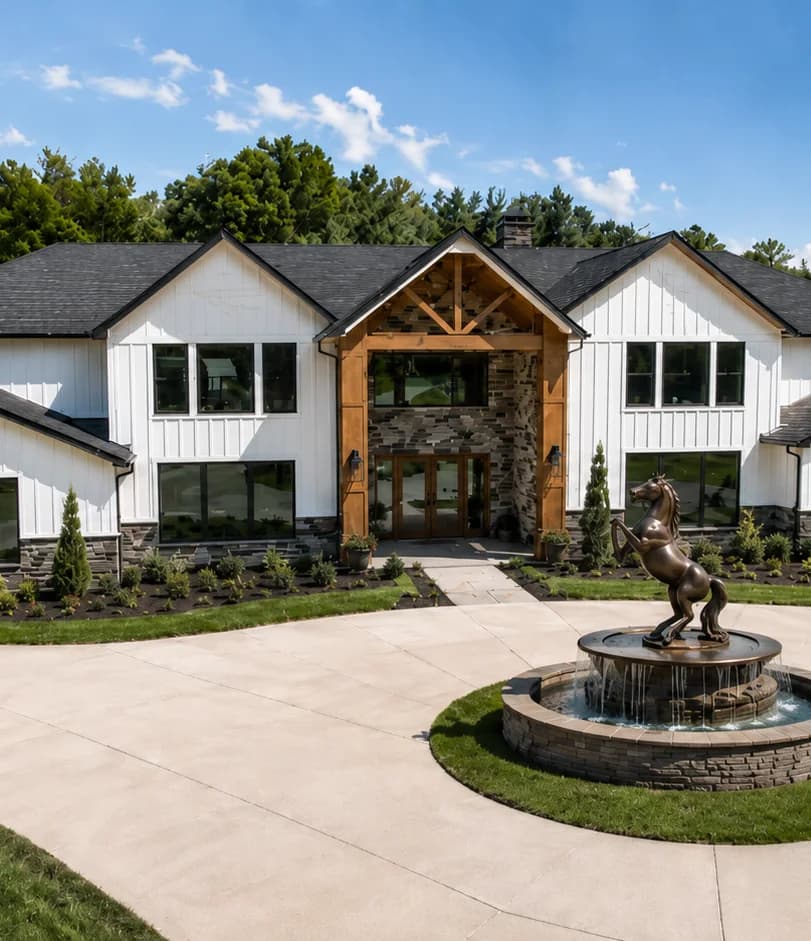
WHY WE DON'T SELL TUBE STEEL
They look the same from the road. They are not the same building. Here is the honest difference, in plain words and real numbers.
TWO ESTIMATES FOR THE "SAME" 30X40
When you price-shop a 30x40 building, one estimate might say $8,000 and another might say $24,000. That gap is not a markup. It is a different building entirely. The cheap one is built to a different code path, anchored to a different foundation, and made for a different lifetime.
Tube steel buildings are made from thin galvanized tubing, usually 14 or 12 gauge, held together with self-tapping screws. They started as carports. Over the years, the same kits got renamed as "barndominium kits" and "metal homes." The structure did not change. The marketing did.
We made a choice not to sell them. Every building we sell is engineered steel, with stamped drawings from a licensed engineer, because that is what we would put on our own land.
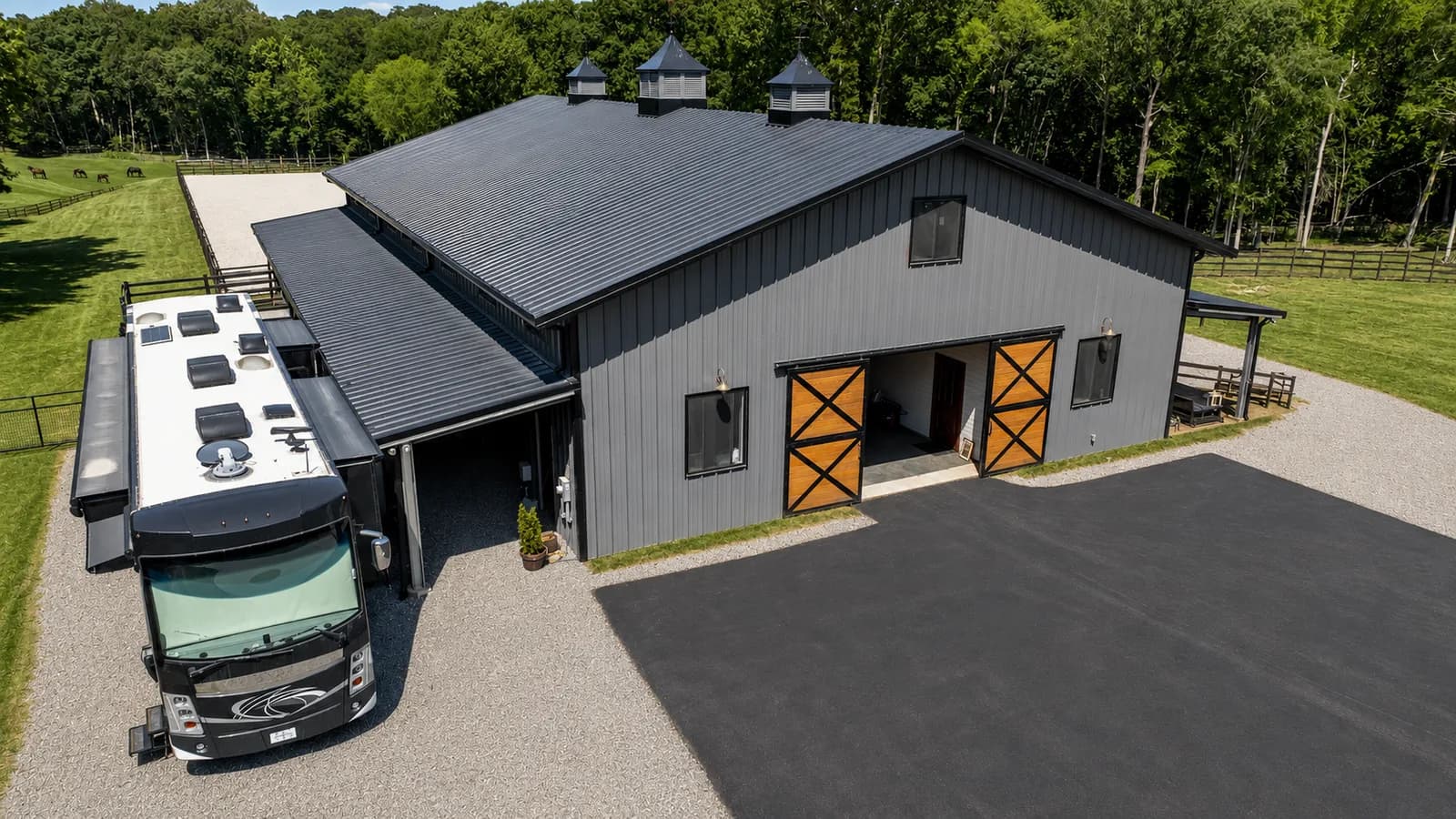
THREE KINDS OF "STEEL BUILDING"
They get advertised as if they were all the same thing. They are not.
TUBE STEEL
Thin square tubing bolted together with self-tapping screws, usually strapped to the ground with stakes. Fine as a carport or a dirt-floor equipment cover. Not engineered to live or work in. We do not sell it.
ENGINEERED COLD-FORMED STEEL
We build this
Roll-formed C-channel members, engineered as one system around your wind, snow, and use loads. Bolted connections, and the steel is galvanized against rust at the mill. Stamped drawings from a licensed engineer with every project, so you can permit it, finance it, and insure it. We build homes, agricultural buildings, and commercial structures in cold-formed steel.
RED IRON
We build this
Welded and bolted I-beam frames, engineered as one system around your wind, snow, and use loads. The heavier members carry longer clear spans with fewer posts in the middle. Stamped drawings from a licensed engineer with every project. We build homes, agricultural buildings, and commercial structures in red iron.
We build two of these three. Cold-formed steel and red iron both build residential, agricultural, and commercial structures, and we price your building in both so you can compare. Tube steel is the one we will not sell you.
THE FOUNDATION IS THE WHOLE STORY
Every one of our buildings gets bolted to steel-reinforced concrete piers set at least 4 inches below the local frost line. That depth changes with your land. Building codes require it for homes and commercial buildings.
Tube steel kits are not anchored that way. They are typically held down with ground stakes or rebar pins driven a foot or two into the dirt. In plain terms, they are strapped to the ground.
When a real storm hits, the strapped-down building goes first. The frame does not fail. The anchorage does. That is the safety story, and everything else flows from it.
SIDE BY SIDE
| TUBE STEEL KITS | OUR ENGINEERED CFS BUILDINGS | |
|---|---|---|
| How it is anchored | Strapped to ground stakes, auger anchors, or rebar pins | Bolted to steel-reinforced concrete piers set below the local frost line |
| Frame material | Thin galvanized tubing, usually 14 or 12 gauge | Roll-formed C-channel cold-formed steel, engineered as one structural system |
| Connections | Self-tapping screws | Engineered bolted connections built to the AISI cold-formed steel standard |
| Engineering | Limited or none; often no stamped drawings | Engineered for your site, with stamped drawings from a licensed engineer |
| Wind and snow loads | Standard factory ratings, not matched to your location | Engineered to your local code requirements |
| Permitting | Hard or impossible in many places, especially for homes | Permittable in all 48 contiguous states |
| Financing | Often cannot produce the papers lenders ask for | Can qualify for FHA, VA, USDA, and regular construction loans |
| Insurance | Often declined as a main home | Can be insured on standard homeowner policies |
| Right for a barndominium | No. It fails home building codes in nearly all places | Yes. It is engineered to home building codes |
WHERE TUBE STEEL DOES MAKE SENSE
We are not going to pretend tube steel serves no purpose. For a dirt-floor equipment cover, a temporary livestock shelter, or a basic carport on land where no permit is needed, it can be the right fit at the right price. It is cheaper and it ships fast.
The problem starts when those kits get sold as homes, shops, or business buildings. Buyers often find out the truth only after the permit fails, the loan falls through, the insurance is denied, or the building does not survive a storm.
THREE QUESTIONS TO ASK ANY SUPPLIER
Before you sign anything, ask the company quoting you:
- 1Will this building come with stamped engineering drawings for my snow load and wind zone?
- 2Is this building permittable as a home or a commercial building in my county?
- 3How is this building anchored to its foundation, and how deep does that foundation go?
If any answer is "no," "maybe," or "you will need to handle that yourself," you are shopping a different category. Compare estimates with that in mind.
SEE THE REAL NUMBERS
Our free Steel Building Pricing and Sizing Guide shows real price ranges by size, what a package includes, and what it does not. No games, no hidden numbers.